Unlock Your Brain’s Full Potential with these Simple Foods and Habits

Boost Your Brain: What You Need to Know for Mental Clarity
Experts say the human brain consumes up to 25% of the body's total energy. Although it represents only a small fraction of total body weight, it is the most active organ. Understanding the health benefits of specific nutrients is essential for maintaining cognitive sharpness. This guide explores the top foods, supplements, and habits to support brain health, based on insights from Dr. Tara Swart, author of ‘The Source’.
Top 5 Foods for a Healthy Brain
DHA Omega-3s: The brain is 60% fat, and 90% of that is DHA. This essential fatty acid provides structural health benefits that the body cannot produce alone. Experts say eating oily fish like salmon three times a week is ideal. Plant based options include algae or seaweed supplements.
Water: Staying hydrated is a vital part of what you need to know about daily function. The brain requires consistent hydration to process information. A helpful rule is drinking half a liter of water for every 15 kg of body weight, adding more if consuming dehydrating drinks like coffee.
Colorful Berries and Vegetables: Produce like blueberries and red cabbage contain anthocyanins. These antioxidants protect the brain from stress. Adding half a cup of berries to a meal is an easy way of getting started with better nutrition.
Green Leafy Vegetables: Spinach and kale are rich in magnesium. This mineral helps reduce stress and supports sleep, which is medically reviewed as a cornerstone of cognitive recovery.
Eggs: Eggs provide choline, a nutrient crucial for memory and mood regulation. Including eggs in a balanced diet supports long term brain development.
3 Supplements to Support Your Brain

1. Probiotics: The gut and brain are closely linked. High quality probiotics (over 50 billion strains) can improve mood and reduce anxiety. Certain strains, known as psychobiotics, offer specific mental health benefits.

2. Vitamin D: Many individuals lack sufficient vitamin D, particularly in winter. This nutrient is essential for brain protection and is a common recommendation in medically reviewed wellness plans.
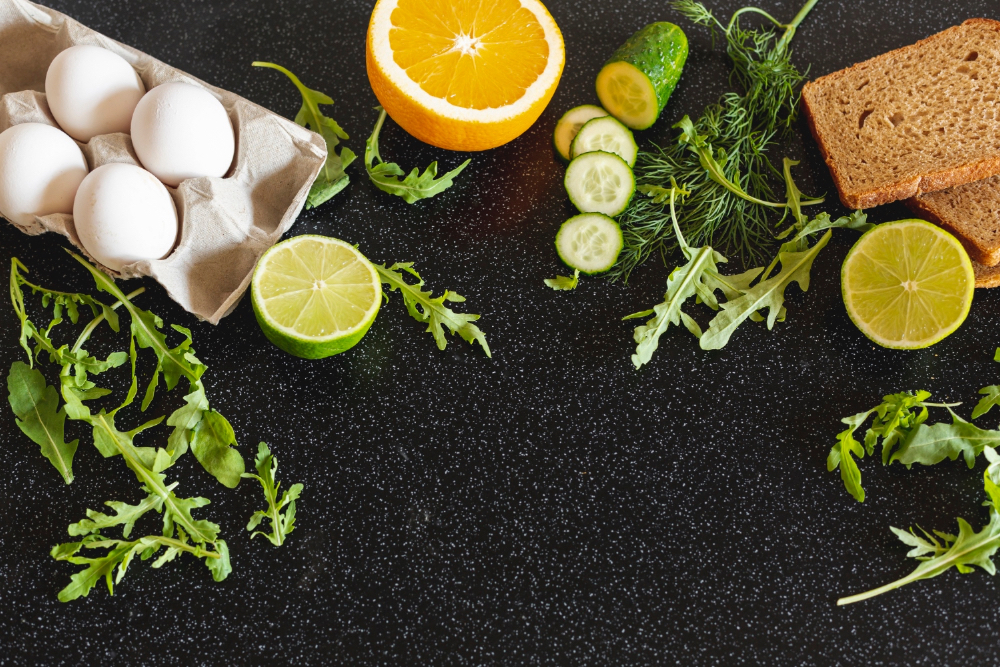
3. B Vitamins: B6, B12, and folate are vital for the nervous system. They help manage fatigue and ensure the brain functions smoothly. These are found in whole grains, eggs, and leafy greens.
3 Foods to Avoid
Processed Foods: High levels of pro-oxidants in packaged snacks can damage brain cells and accelerate aging.
Burnt or Smoked Foods: These items can release free radicals. Replacing smoked meats with fresh alternatives provides better health benefits.
High-Glycemic Foods: Sugary snacks cause energy crashes and brain fog. Low GI options like legumes offer more stable fuel for the mind.
Getting Started with Healthy Habits
Intermittent fasting is an effective tool for metabolic and brain health. Experts say maintaining an 8 to 12 hour eating window helps regulate blood sugar levels. While changing habits takes commitment, adding just one brain boosting food today is an excellent way of getting started on a healthier path.