Why Your Brain Needs Two Liters of Water Every Day

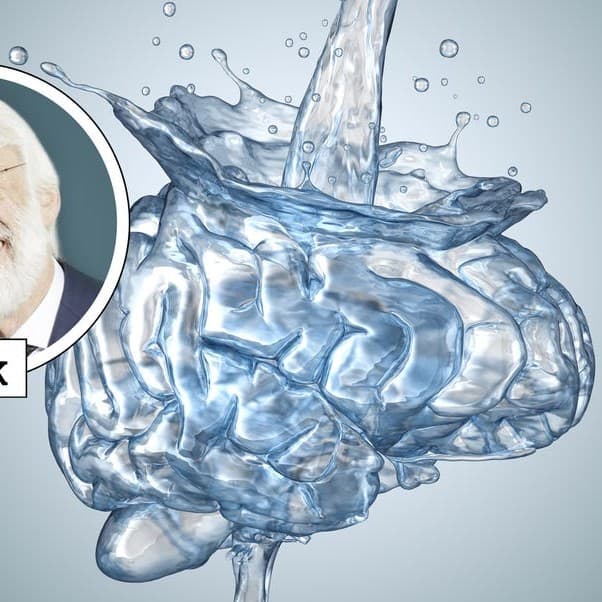
Why Your Aging Brain Struggles When You Forget to Drink Water
Most of us only reach for a glass of water when our mouth feels dry. By that point, your body is already playing catch-up. Renowned neuropsychologist Erik Scherder frequently reminds his audiences that he drinks several glasses of water throughout the day even when he does not feel thirsty at all. His reasoning is simple: by the time your brain registers thirst, your circulatory system and cellular machinery are already working under a handicap.
Our bodies consist of more than fifty percent water. Trillions of living cells rely on that fluid environment to survive, transport raw materials, and clear out toxic metabolic debris. While we often think of hydration in terms of athletic stamina or kidney health, the organ that pays the steepest price for chronic under-hydration is sitting right between your ears.
The Mechanics of Cellular Transport and Brain Protection
Every single process keeping you alert right now requires fluid dynamics. Water acts as the primary transport vehicle inside your bloodstream, ferrying critical compounds like glucose and amino acids directly to neural tissue. Without steady volume, nutrient delivery slows down.
Beyond fuel delivery, water handles waste disposal. Neurons are metabolically voracious, burning energy constantly and generating byproducts that must be filtered out before they disrupt communication pathways. Water makes that continuous cleanup possible.
Fluid also provides vital mechanical cushioning. Water makes up the bulk of the interstitial fluid and cerebrospinal fluid surrounding and permeating delicate brain tissue. This fluid suspension helps cells maintain their structural integrity, shields neural networks from physical shock, and keeps cellular membranes flexible enough to communicate across synapses.
You do not just get this hydration from a tap. Your daily fluid intake comes from drinking water, eating moisture-rich foods like vegetables and fruits, and a small amount generated internally as metabolic water through cellular respiration. Yet, for most people, diet alone falls short of what is required to keep blood volume optimal.
What Happens to Blood Volume When You Under-Drink
Two liters of fluid per day is the standard benchmark, though heat, sweat, and physical exertion will push that number higher. Skipping a glass here or there will not break you, but persistent, low-grade dehydration causes systemic changes that sneak up unnoticed.
When you take in less water than you lose over several consecutive days, your overall blood volume drops. A lower blood volume leads directly to a decline in systemic blood pressure. While society spends a lot of time talking about the genuine dangers of hypertension, low blood pressure comes with its own serious, underappreciated risks, particularly for older adults.
The Gravitational Challenge Inside an Aging Brain
Three primary arteries carry oxygenated blood upward into your skull, splitting into progressively smaller arterial branches until they terminate in microscopic capillaries. The microvascular junctions where these tiny vessels meet are delicate and highly vulnerable to shifts in perfusion pressure.
As we get older, our arteries naturally lose elasticity. They turn stiffer, thicker, and less compliant. This structural shift makes it significantly harder for the cardiovascular system to pump blood upward against gravity into the highest, most remote regions of the cerebral cortex.
If you pair stiff, aging arterial walls with a drop in blood volume from chronic dehydration, your blood pressure plummets too low to push sufficient flow up to those top-tier brain regions. The blood simply cannot overcome gravity effectively. When perfusion drops in these already fragile microvascular beds, two immediate problems emerge:
- Neurons in watershed territories receive fewer nutrients and less oxygen, degrading focus, cognitive speed, and alertness.
- Metabolic waste products pool in tissue beds instead of being washed out efficiently through venous return.
The Disappearing Thirst Signal
The real danger for older adults is that you cannot rely on thirst to tell you when to drink. As the nervous system matures, the sensitivity of the osmoreceptors in the brain dulls. The hormonal signaling cascade that triggers conscious thirst becomes sluggish.
An older adult can sit in an under-hydrated state for days without ever feeling a dry mouth or an urgent desire for a beverage. Waiting for thirst means waiting until your cerebral blood flow is already compromised.
Building a Deliberate Hydration Routine
Because your internal gauge stops working reliably as the years pass, hydration must become an intentional habit rather than an emotional response to thirst. You have to treat water intake like scheduled maintenance.
Start the morning by drinking a tall glass of water before touching coffee or tea. Keep a designated carafe or bottle on your desk or kitchen counter where you can visually track your progress across the day. Aim to finish roughly two liters of total fluid before evening sets in, spacing it out so your vascular volume stays stable from morning to night.
Pour a fresh glass right now. Your blood vessels, your blood pressure, and your brain tissue rely entirely on the fluid you put into your body today.
Join the conversation
"Most people only drink water when their mouth feels dry. By that point, your brain is already operating at a deficit. Neuropsychologist Erik Scherder drinks water steadily throughout the day even whe..."