
The Psychology of Spending: Why You Buy Things You Don’t Need. The Trap You Don’t See Coming
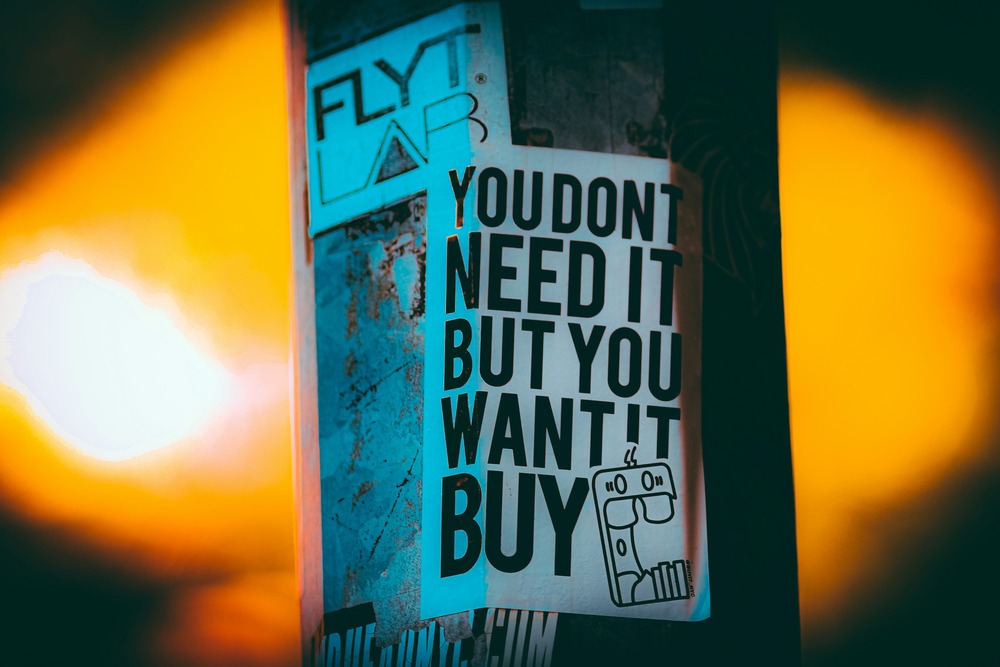
You’ve probably been there: standing in line at a store, waiting to pay, surrounded by a gauntlet of temptations. Candy bars, phone chargers, nail clippers; stuff you never planned to buy, but somehow, there you are, unwrapping a chocolate bar before you even hit the parking lot.
You tell yourself, “It’s just a small treat.”
But that tiny, seemingly innocent decision reveals something profound about how your brain handles money, rewards, and regret.
At Word-Flux, we’ve seen this pattern countless times; not just in money, but across life’s most important arenas: wealth, relationships, education, and personal development.
And once you understand the science behind these moments, you can flip the script.
The Secret Battle Inside Your Brain
When you’re about to buy something, a quiet war breaks out in your head.
One side is your nucleus accumbens; the part that lights up when you anticipate a reward. It’s the same system that responds to food, excitement, and even love. That shiny new gadget or limited-edition sneaker triggers this “yes, yes, yes!” response.
But then, another part of your brain, the insula, steps in. It feels the pain of paying. The insula reacts to financial loss the same way it reacts to physical pain or bad smells. That’s why spending can literally hurt.
And in between? The mesial prefrontal cortex, the referee. It weighs the deal and tries to judge if the purchase is worth it.
So every time you swipe your card or click “Buy Now,” these three systems battle it out. Sometimes the pleasure wins. Sometimes the pain.
But not all brains fight the same fight.

Are You a Tightwad or a Spendthrift?
Psychologists have discovered that we all fall somewhere on a spectrum called the “pain of paying.”
At one end are the spendthrifts; people who feel little to no pain when spending. Money flows out of their wallets like water. For them, the joy of having outweighs the cost of losing.
At the other end are the tightwads; people who feel almost physical agony at the thought of spending, even when it’s necessary. For them, the act of paying is sweaty-palmed torture.
I remember one of our Word-Flux team members sharing this story:
“I once stood in front of a store shelf for fifteen minutes debating whether to buy a $9 notebook. My heart raced. I started sweating. Eventually, I walked out empty-handed; only to come back two days later because I couldn’t stop thinking about it. And yes, I bought it.”
That’s the pain of paying in action; real, uncomfortable, and incredibly human.
How Companies Exploit That Pain
Marketers know this psychological tug-of-war better than anyone.
They’ve learned that tightwads respond to words that reduce that pain; like calling an extra fee “small.”
In one study, researchers asked people if they’d pay a $5 overnight delivery fee. When that same fee was called a “small $5 fee,” tightwads were three times more likely to pay it.
One word changed the brain’s emotional calculus.
Credit cards make things even trickier. They keep money “out of sight, out of mind.” When you don’t physically hand over cash, the pain of paying fades; and spending climbs.
That’s why it’s easier to splurge on your favorite food delivery app or grab that online deal. Your brain isn’t feeling the loss in real time.
Maximizers vs. Satisficers: The Decision-Making Divide
There’s another layer to all this; how you decide what to buy.
Some people are maximizers. They research every option, compare every price, and make spreadsheets for fun. They want the perfect choice.
Others are satisficers. They go with the first thing that meets their needs. “Good enough” is good enough.
You might think maximizers save more money, but research says otherwise. They often end up less satisfied with their purchases; and with life in general. They can’t stop thinking about what they could have chosen.
Satisficers, though more impulsive, are often happier. They decide, they buy, they move on.
At Word-Flux, we believe this principle extends far beyond shopping. In relationships, in education, in personal growth, sometimes perfectionism holds us back more than it helps. Sometimes, “good enough” is the gateway to progress.
How to Outsmart Your Impulsive Brain
Here are a few actionable tactics from the Word-Flux team to beat impulsive spending; and start mastering your money mindset:
- Pay with cash whenever possible.
Studies show cash payments slow down spending and make you feel the transaction. Watching money leave your hands builds mindfulness. - Wait before you buy.
Give yourself a 24-hour rule. The initial dopamine rush fades fast; and if you still want it later, it’s probably worth it. - Track your triggers.
Notice when and where you make unplanned purchases. Is it late at night? When you’re stressed? Hungry? Awareness is your first line of defense. - Name your future self.
Imagine you’re buying for the person you’ll be six months from now. Would that person thank you; or roll their eyes? - Invest in what multiplies.
Redirect impulsive spending energy toward areas that grow; your education, relationships, and personal development. That’s how you build true wealth.
Your Brain Can Be Rewired
The truth? You don’t have to fight your brain; you can train it.
Impulse buying isn’t weakness. It’s wiring. But once you understand how the system works, you can make it work for you.
Want to read more inside stories about protecting yourself, and creating a buffer?; read that here: An emergency Fund that protects you.
At Word-Flux, we’re here to help you do exactly that; not just with your money, but with the choices that define your wealth, relationships, education, and personal growth.

Word-flux Cheat sheet
Daily / Weekly Micro-Habits
Simplify Decisions: Be a Satisficer
→ Practice “good enough” once a day; choose without overanalyzing (coffee brand, outfit, lunch). This rewires perfectionism.
Pay with Cash Once a Day
→ Make one small purchase in cash to feel the transaction and train financial awareness.
Apply the 24-Hour Rule
→ Before any non-essential purchase, wait 24 hours. Add it to a “Want Later” list instead of buying instantly.
Identify One Trigger Pattern per Week
→ Track when and why you’re most tempted to spend impulsively (e.g., stress, boredom, ads). Note patterns.
Name Your Future Self
→ Before spending, ask: Would [Future Me] thank me or regret this?
(Optional: give your future self a name; it builds emotional connection.)
Shift One Impulse Toward Growth
→ Every week, redirect one “want” purchase (e.g., snacks, gadgets) toward something that compounds; a book, course, or skill.
Use the “Small Pain” Trick Mindfully
→ When buying online, visualize cash leaving your hand. This reactivates your insula (the brain’s pain center for spending).

Join the Word-flux Community!
- Watch Us on YouTube
Explore uplifting videos, insightful conversations, and practical guidance on our YouTube channel. Subscribe and turn on notifications so you never miss a new upload! Watch now: @wordflux - Subscribe to Our Newsletter
Get exclusive tips, insights, and resources delivered straight to your inbox. Whether it’s relationship advice, personal growth strategies, or inspiring stories, we’ve got you covered. Subscribe here. - Follow Us on Instagram
Join our vibrant community on Instagram for daily inspiration, quotes, and behind-the-scenes content. Follow us @Wordflux9 and let’s grow together! - Connect with Us on Facebook
Stay updated on our latest blogs, events, and discussions by following us on Facebook. Let’s build a supportive community where we can learn and grow together. Follow us Word-flux on Facebook.
Let’s outsmart your impulses, together.


